Commercial cleaning equipment support: [email protected] Global service network | English
Application readiness

Nilfisk application planning for cleaner floors, air and work routines

This application center focuses on machine fit, operator readiness, residue control and route proof for commercial cleaning teams.

Commercial cleaning application planning table
Story to specification

Every facility tells a different cleaning story

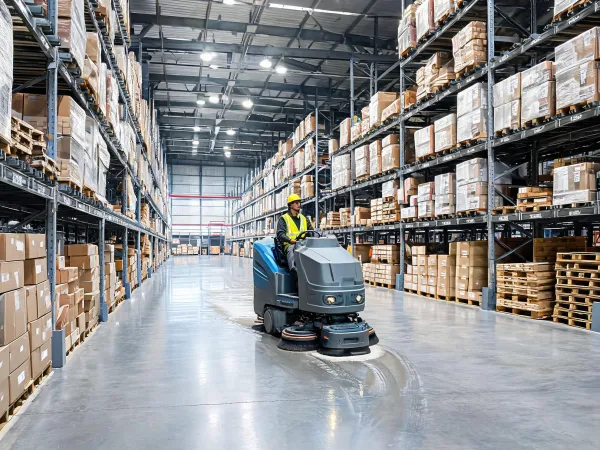
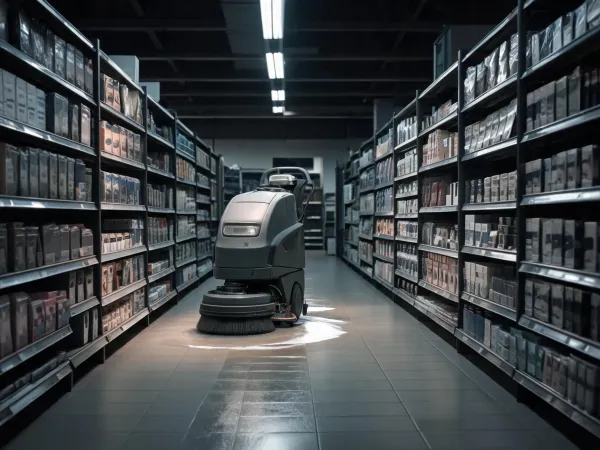
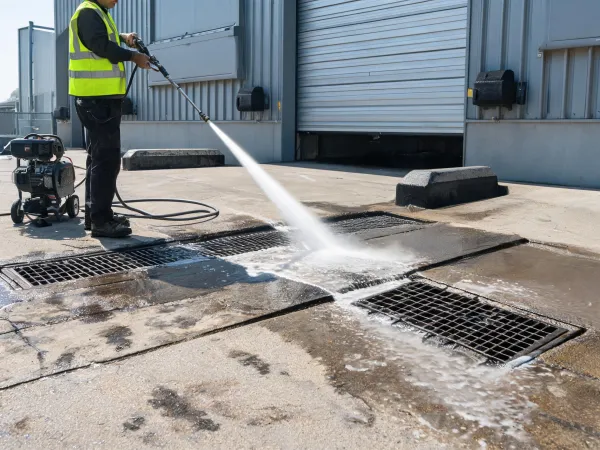
A logistics building may look simple from the outside, yet the cleaning story changes from receiving docks to battery charging areas, narrow pick aisles and employee entrances. A food facility may combine wet residue, washable floors and strict shift change routines. A municipal garage may need pressure washing outside and dry sweeping inside. These details influence whether the best first conversation is about scrubber recovery, sweeper debris capacity, vacuum filtration or dust collection near the source.

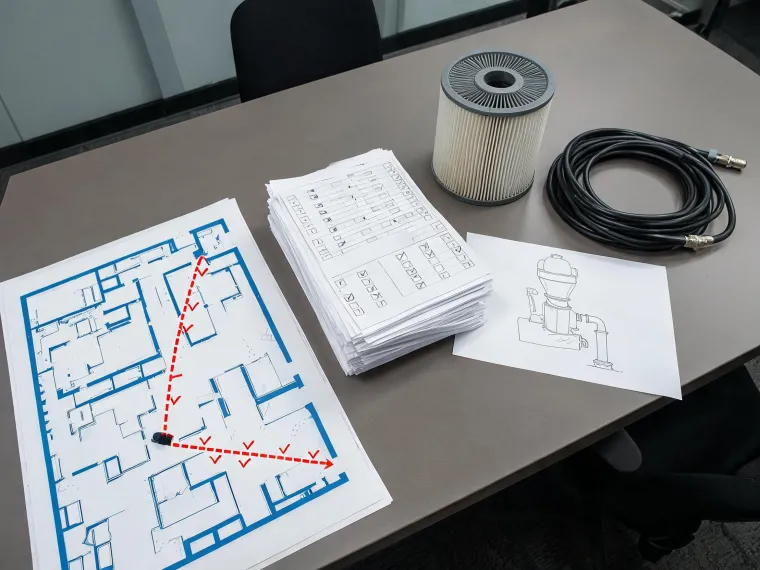
Application planning gives the buyer a structured way to describe the job. Instead of asking for a machine by name, the team can describe square footage, aisle width, slope, residue, available water, electrical access, storage space and who will operate the equipment. Nilfisk can then help narrow the equipment family, service pattern and consumable list without forcing the site into a one-size program.

A cleaning machine is only ready when it fits the surface, the residue, the operator and the hour when the work must be finished.

Selection checks

Four questions before the equipment quote

Wet film, tire dust, packaging scraps, fine powder and outdoor grit each point toward a different cleaning sequence and machine family.

Battery runtime, tank capacity, dump points, refill access and travel distance determine whether a route feels smooth or constantly interrupted.

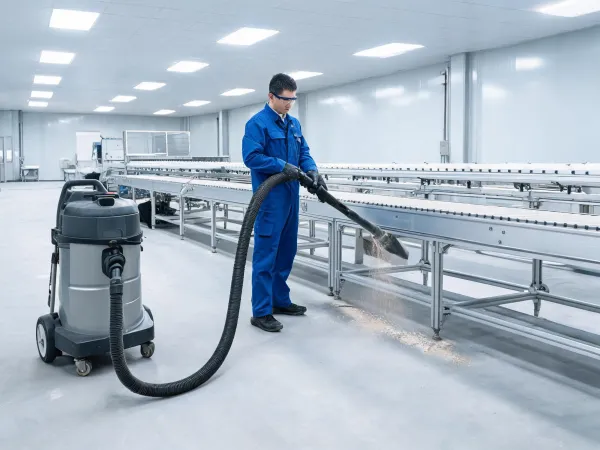
Industrial vacuums and dust collectors solve different housekeeping problems, so source location, particle type and cleanup frequency should be named early.

Brushes, pads, squeegee blades, filters, hoses and pressure washer accessories deserve a stocking plan before the first busy week begins.
Honest trade-offs

The pulls that work against each other

Application planning is the point where two reasonable goals collide and someone has to choose. These are selection trade-offs rather than manufactured controversy, and naming both sides is more useful than a single recommendation.

Coverage speed vs. maneuverability

A wider deck or a ride-on platform raises the coverage rate, but the same width loses to a compact walk-behind the moment aisles narrow or the layout fills with obstacles. Faster on open floor is not faster everywhere.

Unattended runtime vs. running cost and downtime

Battery machines run quiet and cable-free and cost less per hour to operate, but a finite charge window can stall a long shift; corded or engine units run continuously yet add fumes, trip hazards or fuel handling. Neither is free.

One flexible vacuum vs. dedicated dust control

A portable industrial vacuum handles many cleanup tasks but is not a substitute for a fixed dust collector at a continuous source, and standard filtration is not the same as a HEPA or certified dust-class rating. Matching filtration to the actual particle is the dividing line.

Boundaries we state before a quote

Scrubbers do not collect dry packaging debris a sweeper is built for; pressure washers need drainage and do not belong on finished interior floors; battery runtime will not stretch to an unplanned double shift; and standard vacuum filtration is unsafe for fine or hazardous process dust. These applicability limits are part of an honest fit review, not fine print.

Verify the fit on your own terms: ask for an on-site assessment, a timed cleaning trial on a representative floor area, and a residue or dust sample test for filtration claims before purchase. Coverage-rate, tank-capacity and runtime numbers should be confirmed against your measured aisle width, soil load and shift length, not accepted from a brochure.

Request an application fit review

Describe the site, not only the machine you have in mind. The next step can be a clearer route plan, a better equipment shortlist and a consumable list that supports daily work.