Fleet assessment
Review square footage, traffic rhythm, shift handoffs, residue type and machine duty cycle so the service plan mirrors actual use.
Keep scrubbers, sweepers, pressure washers, vacuums and dust collectors aligned with the job they were bought to do: repeatable cleaning outcomes with fewer surprises for operators.
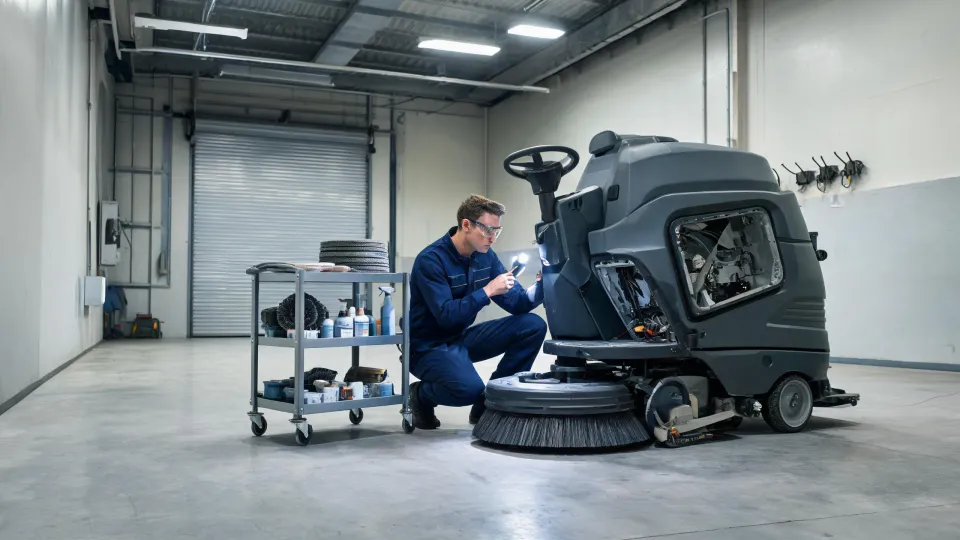
Nilfisk service work starts with the facility route rather than a generic maintenance calendar. A warehouse aisle, a food plant washdown area and a retail entry zone all place different demands on brushes, squeegees, filtration, hoses and batteries. The program translates those demands into planned inspections, consumable kits and response expectations that are clear to supervisors before a machine is down.
Review square footage, traffic rhythm, shift handoffs, residue type and machine duty cycle so the service plan mirrors actual use.
Plan brushes, pads, squeegee blades, filters, hoses and vacuum accessories before they become urgent spare-part searches.
Help crews understand pre-use checks, recovery tank care, battery charging, dust containment and safe pressure washer handling.
Connect field issues to the right support path, from remote triage to scheduled service windows and replacement component planning.
A practical service plan reduces uncertainty because each stakeholder sees the same machine context. Purchasing knows which items must stay in stock, supervisors know how to stage the equipment before a route begins, and operators know which checks matter for the specific floor condition. This is why a reliable cleaning program is less about a heroic repair visit and more about small, repeatable decisions made before the machine leaves storage.
Maintenance keeps a correctly chosen machine running; it cannot rescue a machine that was wrong for the floor in the first place. A service plan will not extend a battery's usable runtime beyond its charge window, will not make a standard recovery filter safe for fine or hazardous process dust that requires a HEPA or certified dust-class unit, and will not let a single ride-on cover a congested layout that physically blocks its turning radius. There is also a real cost trade-off: a preventive plan with stocked consumables and scheduled inspections raises the line-item spend but lowers the odds of an unplanned outage during a busy shift. We make that trade-off explicit rather than pretending service is free insurance.
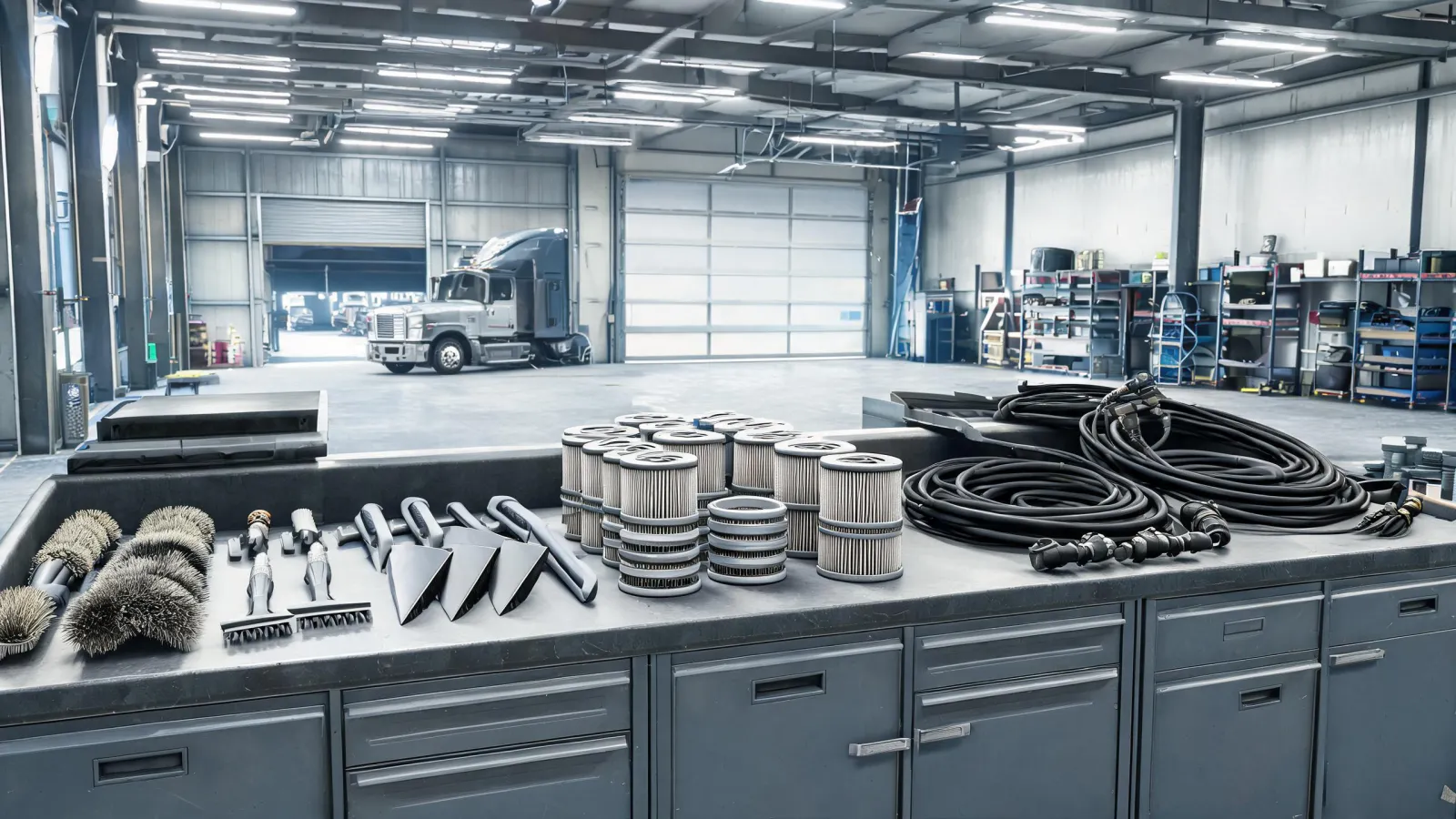
Share machine count, floor area, residue type and weekly cleaning hours. The response can focus on what changes uptime: consumables, operator checks, planned inspection intervals and escalation paths.