Nilfisk Scrubbing Machines, Floor Scrubbers, and Dust Collectors: A Painful Buyer's FAQ
-
What should I check before buying a Nilfisk scrubbing machine?
-
Are Nilfisk floor scrubbers worth the premium over cheaper brands?
-
What's the biggest mistake with hi-vac dust collector sizing?
-
Dry vs wet dust collector equipment: which do I need?
-
What is a dust nail collector, and can I use a Nilfisk vacuum for it?
-
How should I maintain Nilfisk floor scrubbers and dust collectors?
-
What should I ask a Nilfisk dealer before signing?
-
Where should Nilfisk not be your first call?
I've been handling facility cleaning equipment orders and maintenance for 9 years. I've personally made (and documented) 11 significant mistakes, totaling roughly $46,000 in wasted budget. Now I maintain our team's pre-purchase checklist. This FAQ is that checklist in conversation form. It covers Nilfisk scrubbing machines, Nilfisk floor scrubbers, hi-vac dust collectors, dust nail collectors, and wet dust collector equipment. I'm not a Nilfisk salesperson. I'm the person who learned which specs matter after the invoice cleared.
What should I check before buying a Nilfisk scrubbing machine?
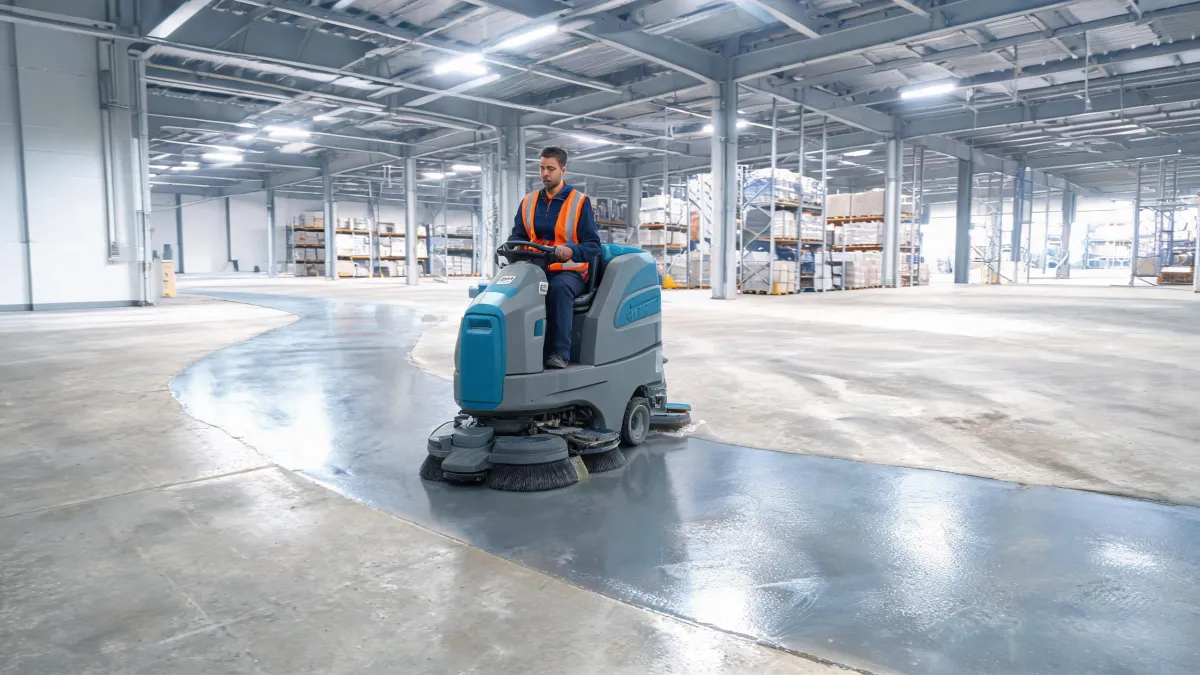
From the outside, a Nilfisk scrubbing machine looks like a simple floor scrubber. The reality is that the wrong size or tank capacity will cost you more than the machine. In my first year (2017), I ordered a 20-inch walk-behind for an 80,000-square-foot warehouse. It looked fine on paper. We needed a ride-on. That error cost $3,200 in redo plus a week of hand-scrubbing aisles. For Nilfisk floor scrubbers, check square feet per hour, run time, recovery tank, turn radius, and aisle width. Then test with your dirt. A scrubber that cleans a grocery floor may struggle with metal shavings. If your team works one shift, a smaller battery unit is probably fine. If you run 24/7, spend on bigger batteries and onboard chargers. Don't hold me to this, but most buyers focus on price and miss water recovery. That is the spec that causes callbacks.
Are Nilfisk floor scrubbers worth the premium over cheaper brands?
The upside was $2,000 in savings. The risk was six weeks of downtime. I kept asking myself: is $2,000 worth potentially losing a production week? In September 2022, we bought a cheaper scrubber for a food plant. The motor failed in month four. Parts took 5 weeks because the dealer had no local stock. Our Nilfisk dealer usually gets common parts in 2 days. That doesn't mean every cheaper brand is junk. It means the premium often buys parts availability, service, and predictable engineering. For light duty, a budget unit might be fine. For a critical area, I think the Nilfisk premium is usually worth it. Plus, Nilfisk floor scrubbers tend to hold resale value. But run the math on your downtime cost first. If an hour of downtime costs $500, the cheaper machine is rarely cheaper.
What's the biggest mistake with hi-vac dust collector sizing?
People assume horsepower equals suction. What they don't see is airflow at the tool, static pressure, and filter area. We bought a 15-hp hi-vac dust collector for welding fume. It looked powerful. But we ran 30 feet of flex duct and used the wrong filter. Airflow at the hood dropped way below what we needed. The result: visible fume, an unhappy safety manager, and $7,800 in rework plus duct changes. A hi-vac dust collector is not a shop vac on steroids. You need CFM at the source, static pressure for your duct run, and filter media matched to the dust. For silica dust, OSHA 29 CFR 1910.1053 sets a permissible exposure limit of 50 µg/m3 as an 8-hour TWA. That number should drive your spec, not a brochure.
Reference: OSHA 29 CFR 1910.1053, respirable crystalline silica standard.
Dry vs wet dust collector equipment: which do I need?
Basically, it depends on what is in the dust. Wet dust collector equipment is often specified for combustible metal dust like aluminum, titanium, or magnesium because water helps knock down sparks and heat. Dry cartridge collectors are common for wood dust, but wood dust is also combustible. In 2021, a local shop used a dry collector for aluminum polishing. Their insurance inspector flagged it and required changes. Don't guess. NFPA 652 requires a Dust Hazard Analysis (DHA) for facilities handling combustible dust. If you handle metal dust, NFPA 484 may apply. I'm not 100% sure your exact dust is covered without testing, but you should get a DHA before buying anything. The wet dust collector equipment may cost more upfront, but a fire or citation costs more. If your dust is inert and dry, a dry collector is likely fine. If it can burn, slow down and get an engineer involved.
Reference: NFPA 652, Standard on the Fundamentals of Combustible Dust; NFPA 484 for combustible metals.
What is a dust nail collector, and can I use a Nilfisk vacuum for it?
If by dust nail collector you mean the small local exhaust units at manicure stations, that is a different niche. Those are usually designed for salon furniture, low airflow, and fine acrylic dust. Nilfisk's core is industrial cleaning equipment: floor scrubbers, pressure washers, industrial vacuums, and dust collectors. A hi-vac industrial vacuum can handle fine dust, but putting a large industrial unit at a nail station is often overkill and awkward. In my experience, the salon owner should call a salon ventilation specialist. That said, if you mean nail manufacturing or metal nail production, and the dust is industrial, then a Nilfisk industrial vacuum or dust collector could be in the conversation. I'd rather say this isn't our strength than sell you the wrong box. The vendor who says that earns my trust for the rest.
How should I maintain Nilfisk floor scrubbers and dust collectors?
There's something satisfying about a 5-minute daily check that prevents a $1,900 repair. We ignored the filter on a dust collector for three months. Airflow dropped, the motor overheated, and the repair bill was $1,900 plus a day of downtime. Now our checklist is simple. After each shift: dump recovery tank on scrubbers, rinse squeegee, and check for string or wire. Weekly: shake or clean filters, check hoses, and inspect gaskets. Monthly: check battery water or charge cycles, inspect brushes, and log hours. For Nilfisk floor scrubbers, the squeegee blade is the usual culprit for streaks. For dust collectors, the filter and gaskets are the usual culprits for airflow loss. Don't wait for a breakdown. The best part of finally getting our PM process systematized: no more 3 a.m. worry sessions about whether the scrubber will start.
What should I ask a Nilfisk dealer before signing?
Ask five things. First: what parts are stocked locally? Second: what is the guaranteed service response time? Third: what training is included for my operators? Fourth: what does the warranty exclude—wear items, filters, batteries, labor? Fifth: what consumables will we need in year one, and what do they cost? In Q1 2024, we almost signed a deal for a Nilfisk scrubbing machine until we found out the battery charger was not included. That mistake would have added $1,400 after the fact. Also ask for a demo with your soil and your floor. A dealer who avoids the demo is probably hiding something. And get the total cost of ownership in writing, not just the sticker price. A cheap quote rarely stays cheap after year two.
Where should Nilfisk not be your first call?
If you need a $200 shop vacuum for occasional office dust, an industrial Nilfisk system is overkill. If you need a full HVAC redesign or a salon nail dust collector, call a specialist in that field. If you need a one-time deep clean after a renovation, a cleaning service may be cheaper than buying equipment. I'd rather work with a specialist who knows their limits than a generalist who overpromises. That is not a knock on Nilfisk. It is the same standard I use for every vendor. For industrial floor scrubbing, pressure washing, and dust collection in a factory or warehouse, Nilfisk is usually on my shortlist. For everything else, I ask who does it better. The vendor who said 'this isn't our strength—here's who does it better' earned my trust for everything else.

Rina Matsuda
Rina Matsuda is a garment-production machinery analyst covering industrial lockstitch, overlock, coverstitch, buttonhole, pattern-sewing, and multihead embroidery machines with feeding and thread-management systems. She applies ISO 10821 safety requirements while examining stitch length, stitch density, thread tension, seam balance, presser-foot pressure, needle system, sewing speed, trim cycle, hoop registration, changeover time, and defect rate. Her technical guides help apparel factories, embroidery businesses, and production engineers match machine configuration, automation level, material behavior, operator workflow, and line-capacity targets.