Nilfisk Repair or Replace? A Scenario-Based Guide for Pressure Washers, Scrubbers, and Sweepers
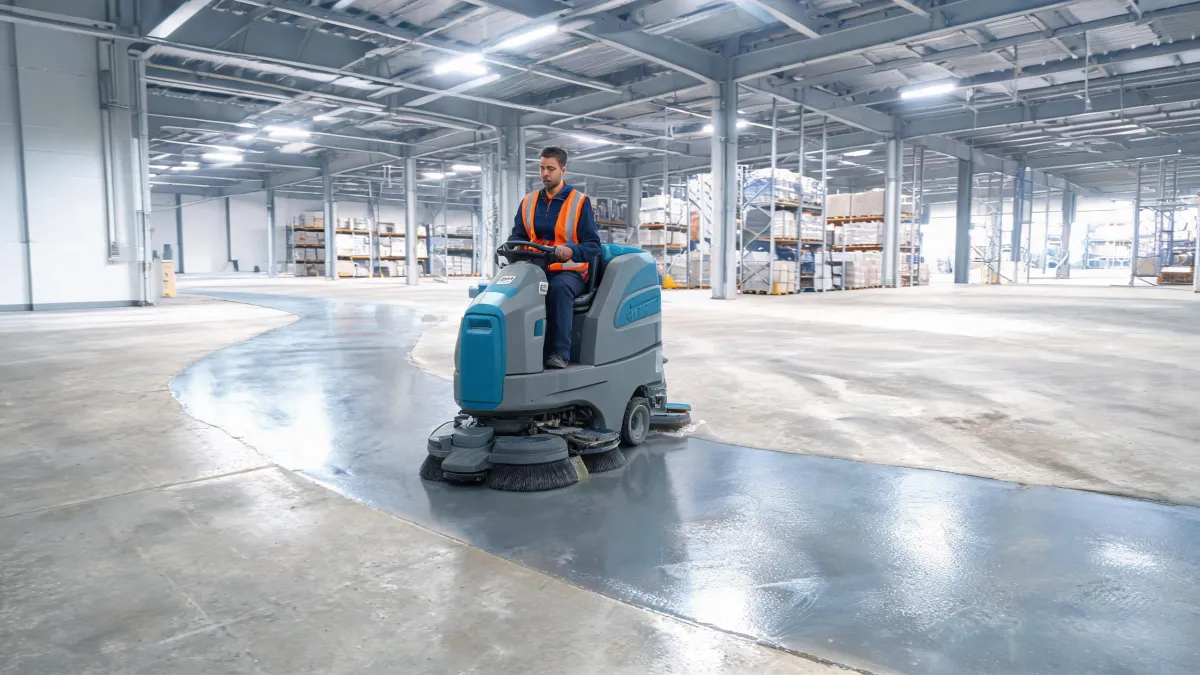
There Is No Single Best Move When Nilfisk Equipment Goes Down
I coordinate emergency service for a facilities maintenance company. I've handled 300+ rush repair and replacement jobs in 11 years, including same-day turnarounds for manufacturing, food processing, and hospitality clients. When a Nilfisk pressure washer, floor scrubber, or sweeper stops working, the first question isn't what's cheapest. It's what does the next 24 hours cost you?
If you're searching for a universal answer, you won't find one. The right move depends on three things: how fast you need the machine back, whether the fault is a wear part or a major component, and how visible the cleaning result is to your clients. I split these calls into three scenarios.
- Scenario A: A pressure washer keeps blowing fuses or has a single electrical fault.
- Scenario B: A floor scrubber is down and you need floor scrubber machine repair or a fast replacement.
- Scenario C: You need a new or backup unit—Nilfisk SC351, a Tomcat floor sweeper, or another industrial cleaner—and you're comparing India pricing.
Scenario A: Pressure Washer Fuses Keep Blowing
For a pressure washer, the fuse is a symptom, not the disease. Everything I'd read said replace the fuse and try again. In practice, I found that the second blown fuse is the real diagnosis. One blown fuse can be a surge or a tired fuse. Two blown fuses—especially within minutes—usually mean a short, water ingress, a failing motor, or a pump that is mechanically stuck.
Here's the sequence I use before spending money:
- Confirm the specified fuse rating in the manual. Do not install a bigger fuse. That is how you turn a small repair into a motor replacement.
- Check the power source. A weak extension cord, a bad outlet, or a tripped GFCI can mimic a machine fault.
- Inspect the plug, cable, and switch for moisture or burn marks.
- If the fuse blows again with the pump disconnected, stop. You have an electrical fault that needs a technician.
If the unit is under five years old and parts are available locally, repair usually wins. If parts are two to three weeks out and the pressure washer is needed for client-facing work, rent or replace. When people search for Nilfisk pressure washer India price, they often compare a new unit against a repair quote without adding downtime, freight, GST, installation, and training. A lower sticker price can be the most expensive choice if it arrives late.
We've handled maybe 300 rush jobs. Maybe 280, I'd have to check the system. The pattern is consistent: the machine that is repaired fast and correctly beats the bargain replacement that shows up late.
Scenario B: Floor Scrubber Down—Repair, Rent, or Buy?
A dead floor scrubber is a different emergency. It affects safety, appearance, and labor. In March 2024, a food-processing client called at 6:40 a.m. with a scrubber down 36 hours before an audit. Normal repair ETA was four days. We rented a replacement, paid about $420 for two weeks, and the client passed. If we had waited for repair, the audit might have failed.
For floor scrubber machine repair, the first 30 minutes decide the path. Check the battery or charger, squeegee, brush, hose, and error codes. If it's a wear part, repair is obvious. If it's a controller, drive motor, or water pump, get a technician's ETA in writing.
Here's something vendors won't always tell you: the repair quote is only half the number. Ask for the emergency call-out fee, diagnostic fee, parts lead time, and whether the diagnostic fee is credited if you approve the repair. That total is what you compare against renting a unit for two weeks.
Counterintuitive advice: if the scrubber is critical and the repair ETA is more than 48 hours, rent first, repair later. I've seen companies lose a contract because a visible lobby floor looked bad for three days. The rental cost was small compared with the client perception hit.
If you're considering a replacement, Nilfisk SC351 price is not a single number. It changes with battery type, onboard charger, squeegee, brush, warranty, local GST, and dealer support. Get a written quote that includes commissioning and operator training. The cheapest quote without support usually costs more in the first month.
Quality wasn't great on one rush replacement we accepted years ago. Put another way: it met minimum specs but nothing more. The operator hated it, the floor looked average, and we ended up buying the right unit six months later. That mistake cost us twice.
Scenario C: New or Backup Unit—Nilfisk SC351, Tomcat Floor Sweeper, and India Pricing
When downtime is recurring, replacement beats repair. This is where total cost matters: purchase price, consumables, service network, parts availability, and how much floor your team can clean per shift. A Tomcat floor sweeper can be right for warehouses and plants with dust and debris. A scrubber like the Nilfisk SC351 is for finished floors and customer-facing areas. They are not interchangeable.
On price, I won't pretend there's a universal number. Authorized dealer quotes I saw in January 2025 varied widely by region and specification. If you're in India, search results for Nilfisk pressure washer India price or Nilfisk SC351 price can be useful for budgeting, but they are not procurement-ready. Confirm whether the price includes GST, freight, installation, battery, charger, and warranty. Also ask who does warranty service and how fast they can get common parts.
What I mean is that the lowest purchase price is not the lowest total cost—it's the entry fee to a longer relationship with parts, service, and downtime. A machine that stops for a week every quarter is not cheap, even if the invoice was 15% lower.
Quality here isn't vanity. When a client walks into a lobby, production floor, or retail area, the floor and the equipment in the corner shape their first impression. A machine that leaks, streaks, or sits broken tells a story about your operation. Spending on the right spec and support is often cheaper than repairing your brand image later.
How to Know Which Scenario You're In
Answer four questions. The checklist: downtime cost, local parts availability, equipment age and failure history, and whether the area is customer-visible. In that order.
- What does one hour of downtime cost? If it's more than the rental or rush fee, stop optimizing for sticker price.
- Is the faulty part in stock locally? If yes, repair. If no, rent or replace.
- Is the equipment older than five to seven years or failing monthly? Replace.
- Is the area customer-visible? If yes, speed and appearance matter more than saving a few percent.
Then decide: repair if it's a single wear or electrical fault and parts are available; rent if you need coverage now and repair can wait; buy if downtime is recurring or the old unit is costing you more than a replacement.
Even after choosing, I still second-guess. What if the repair fails again next week? What if the new unit arrives with the wrong battery? That's normal. The point isn't to eliminate risk—it's to pick the risk you can manage. In emergency equipment decisions, certainty is usually worth paying for.

Elise Marceau
Elise Marceau is an LED display and digital-signage systems analyst covering LED video walls, modular screens, transparent LED, control processors, and indoor or outdoor signage. She applies IEC 62368-1 safety principles while comparing pixel pitch, luminance, contrast, refresh rate, colour uniformity, viewing angle, ingress protection, power density, module serviceability, and signal redundancy. Her specification guides help integrators, venue operators, retailers, and procurement teams align viewing distance, ambient light, content format, installation access, electrical load, and lifecycle support.