Nilfisk SC401 and Other Cleaning Equipment: A Total Cost Comparison After $38k of Mistakes
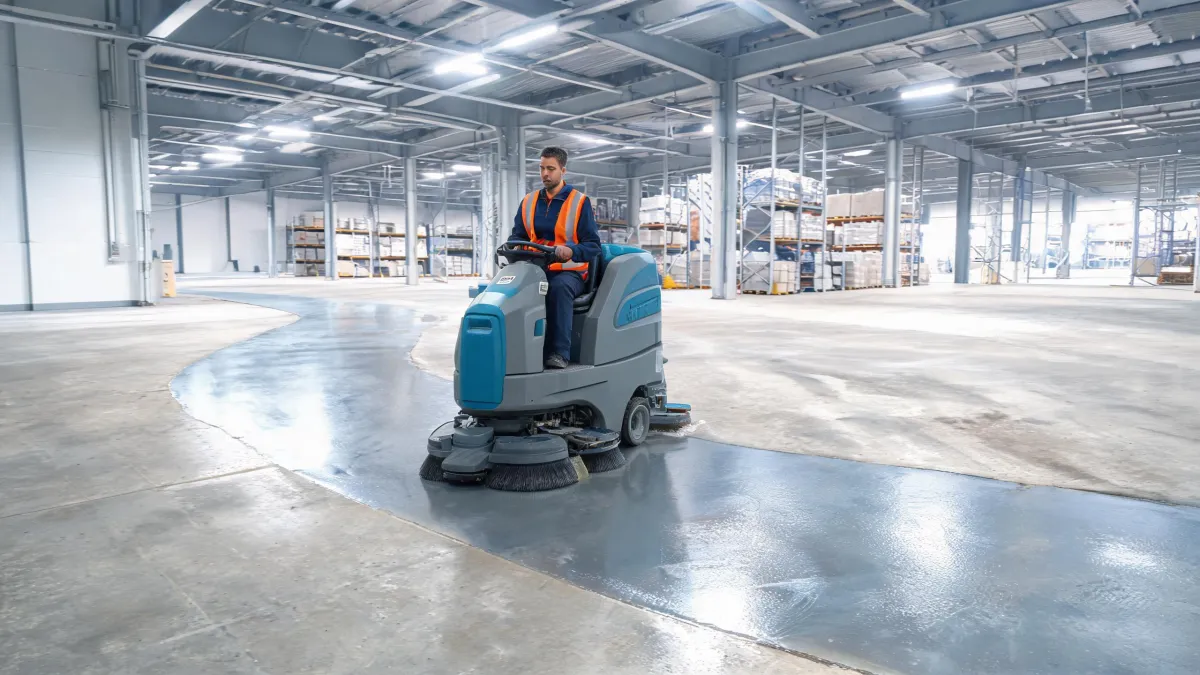
-
Dimension 1: The sticker price is a teaser, not the bill
-
Dimension 2: Battery scrubber dryers—Nilfisk SC401 vs. the 'deal'
-
Dimension 3: Nilfisk Core 140 pressure washer vs. the $199 big-box special
-
Dimension 4: 5hp dust collector vs. industrial vacuum cleaner—not the same game
-
Dimension 5: Autonomous floor sweeper vs. a person with a walk-behind
-
What the comparison taught me
Back in 2019, I signed off on a 'value' scrubber dryer because it was 35% cheaper than the nearest quote. I knew I should have asked about the battery warranty. But what are the odds? They were 100%. The battery died in month 14, and the replacement cost almost half of what we originally paid for the machine. That was the moment I started comparing total cost of ownership, not just purchase orders.
I manage facilities equipment for a small regional company. I've made and documented 14 significant purchasing mistakes—roughly $38,000 worth. Not proud of that number, but it's why I keep checklists now. One checklist is exactly how I evaluate cleaning equipment: purchase price, consumables, parts availability, and labor impact. I'll use that framework to compare the Nilfisk SC401, the Nilfisk Core 140 pressure washer, a 5hp dust collector, and an autonomous floor sweeper against the cheaper alternatives.
Dimension 1: The sticker price is a teaser, not the bill
The cheapest quote for a battery scrubber dryer came in at $3,800. The Nilfisk SC401 battery scrubber dryer quote was $5,900. Looks clear, right? Then the cheap machine's battery gave out at month 14, six weeks after the warranty expired. Replacement battery: $1,150, if I remember correctly. Rental scrubber while we waited: $1,600. That put the 'cheap' machine at $6,550 in the first 14 months—more than the SC401, and we still didn't have a reliable spare parts network.
At least, that's been my experience with battery-powered floor equipment. The same argument doesn't apply to a simple drain snake or a set of shelves. But if a machine has moving parts, a battery, or a filter, the future maintenance cost is part of the purchase decision.
Dimension 2: Battery scrubber dryers—Nilfisk SC401 vs. the 'deal'
I don't want to oversell the SC401. It isn't glamorous, and it has its own maintenance habits. But the difference isn't the cleaning performance on day one. For the first three months, the cheap machine actually cleaned faster. The squeegee sat lower on the floor and left less water behind. I almost congratulated myself—and then the brush deck started wearing unevenly. By month eight, the machine was skipping a strip of floor unless I tilted the deck just right.
What happened next was the TCO gap. The SC401's battery still held about 72% capacity after three years. I might be misremembering the exact percentage, but I remember not having to book a rental. The cheap machine needed a controller board after 11 months, and that board took six weeks from overseas. We spent those six weeks using a single-disc machine, which cost us labor time nobody budgeted for.
If you're only keeping a machine for a two-year contract, maybe the cheaper unit works. For us, the SC401 was more expensive on paper but cheaper per square foot over five years. That conclusion surprised me, because I walked into the purchase planning to be the one who 'saved money.'
Dimension 3: Nilfisk Core 140 pressure washer vs. the $199 big-box special
The Nilfisk Core 140 pressure washer is not a monster. It's the mid-size unit we keep on a cart for washing mats, truck cabs, and deck plates. The $199 pressure washer from a big-box store was our first try. It lasted nine months. The pump failed twice, and each repair cost $70 plus a day of waiting. The Core 140 has run for 18 months without a repair—thankfully, since the wash bay is the last place we want downtime.
The part I didn't expect: the Core 140's trigger handle feels awkward when you're cleaning under a truck seat. The cheap machine had a better wand grip. Little things like that matter to the crew. But when I looked at the cost per month of reliable service, the Core 140 came out ahead—not because it was feature-rich, but because it kept working.
Would I buy a Core 140 for a homeowner? No, that's overkill. For daily commercial use, the repair history made the decision for me.
Dimension 4: 5hp dust collector vs. industrial vacuum cleaner—not the same game
In 2022, I ordered a 5hp dust collector for our maintenance shop because the specs looked amazing for the price. I skipped the filtration rating because I assumed any 5hp machine collects dust well. It didn't. The cartridge plugged with fine dust within the first week. The big chips were fine; the fine particles caused the problem. That was a $470 mistake plus three missed days.
This is where the industrial vacuum cleaner market gets confusing. There are machines claiming 5hp or 7hp motors, but horsepower is not filtration. If you're dealing with fine or hazardous dust, the filter class matters more than the blower. The relevant standard for industrial vacuums in Europe is EN 60335-2-69, which classifies machines by dust class. In the US, OSHA's silica rules set a similar expectation: capture the dust at the source. Neither standard cares about the horsepower sticker.
We ended up keeping the 5hp dust collector for sawdust and chips, and using a Nilfisk industrial vacuum for the fine dust. It's not the glamorous answer, but it's the safe one. The cheapest option only looks cheap until you're buying a second machine.
Dimension 5: Autonomous floor sweeper vs. a person with a walk-behind
I have mixed feelings about autonomous floor sweepers. On one hand, the upfront price still makes me flinch. On the other, we're losing part-time cleaning staff faster than we can hire them. The total cost model for our site was simple: one person with a walk-behind sweeper, about 45 minutes a day, five days a week, at our blended labor rate. I want to say the payback was about 2.5 years, but don't quote me on that—it depends on labor rates and shift schedule.
The nuance is space. Our warehouse has wide aisles, so an autonomous floor sweeper would actually work. In a facility crammed with racks, the machine would spend more time avoiding obstacles than sweeping. We haven't run a pilot yet (note to self: schedule the pilot before the next budget meeting).
That is the part of TCO people miss. Autonomous equipment doesn't just replace labor; it also forces you to organize your space. If you don't have a repeatable path, the robot's not the problem. Your layout is.
What the comparison taught me
I don't buy everything from one brand. We still own two cheap pressure washers for jobs where the risk of damage is high. But every purchasing decision now goes through the same filter: What happens when this breaks? Who sells the battery or filter next year? How many days of rental will I need while it's down?
The cheapest quote is not the cheapest machine. It's just the first bill.
If you're looking at a battery scrubber dryer like the Nilfisk SC401, a Nilfisk Core 140 pressure washer, or any 5hp dust collector, don't compare the price tags. Compare the total cost of keeping each one running for the life of your operation. That's how I stopped making $38,000 mistakes.

Elise Marceau
Elise Marceau is an LED display and digital-signage systems analyst covering LED video walls, modular screens, transparent LED, control processors, and indoor or outdoor signage. She applies IEC 62368-1 safety principles while comparing pixel pitch, luminance, contrast, refresh rate, colour uniformity, viewing angle, ingress protection, power density, module serviceability, and signal redundancy. Her specification guides help integrators, venue operators, retailers, and procurement teams align viewing distance, ambient light, content format, installation access, electrical load, and lifecycle support.