Choosing Between Cheap and Reliable: My $3,000 Lesson in Industrial Cleaning Equipment
Why I Started Tracking Equipment Mistakes
I'm a facilities manager who's been handling cleaning equipment orders for about 7 years. In my first year (2017), I made the classic mistake: I bought a budget floor scrubber to save $1,200. That decision cost me nearly $3,000 in repairs, downtime, and reorders before I finally bought a proper machine. Now I maintain our team's purchasing checklist to prevent others from repeating my errors.
This article compares two common approaches: Option A – buying the cheapest equipment you can find, and Option B – investing in reliable brands (like Nilfisk) with transparent pricing. I'll walk through three key dimensions so you can decide which path fits your situation.
Dimension 1: Upfront Price vs. Total Cost of Ownership
Option A – The Low Upfront Trap
It's tempting to think you can just compare unit prices. A budget canister vacuum might list at $150, while a nilfisk gm 80cr 120v commercial canister vacuum runs around $350. The difference is obvious – until you factor in everything else.
The 'always get three quotes' advice ignores the transaction cost of vendor evaluation and the value of established relationships. With cheap equipment, I've seen:
- Replacement parts that cost more than the machine itself
- Filters that wear out after 100 hours (instead of 500+)
- No technical support – you're on your own
One example: I ordered a budget dust collector for powder applications. It looked fine on the spec sheet. After three months the motor burned out. Replacement: $220. Labor: $150. Downtime: 2 days. Net cost: $370 – more than the original machine.
Option B – Transparent Pricing with Nilfisk
When I finally bought a nilfisk industrial dust collector, the sticker price was higher. But here's what changed:
- All fees listed upfront – shipping, setup, even the recommended spare parts kit
- Expected maintenance schedule provided in writing
- Parts available with a 3-year warranty
I've learned to ask 'what's NOT included' before 'what's the price.' The vendor who lists all fees upfront – even if the total looks higher – usually costs less in the end. For example, a nilfisk pressure washer premium manual model includes a 5-year pump warranty standard. No hidden add-ons.
Conclusion: If your budget allows, Option B wins on TCO in almost every scenario (circa 2025, at least). But for one-time or emergency use, Option A might still make sense.
Dimension 2: Performance Consistency
Option A – Inconsistent Results
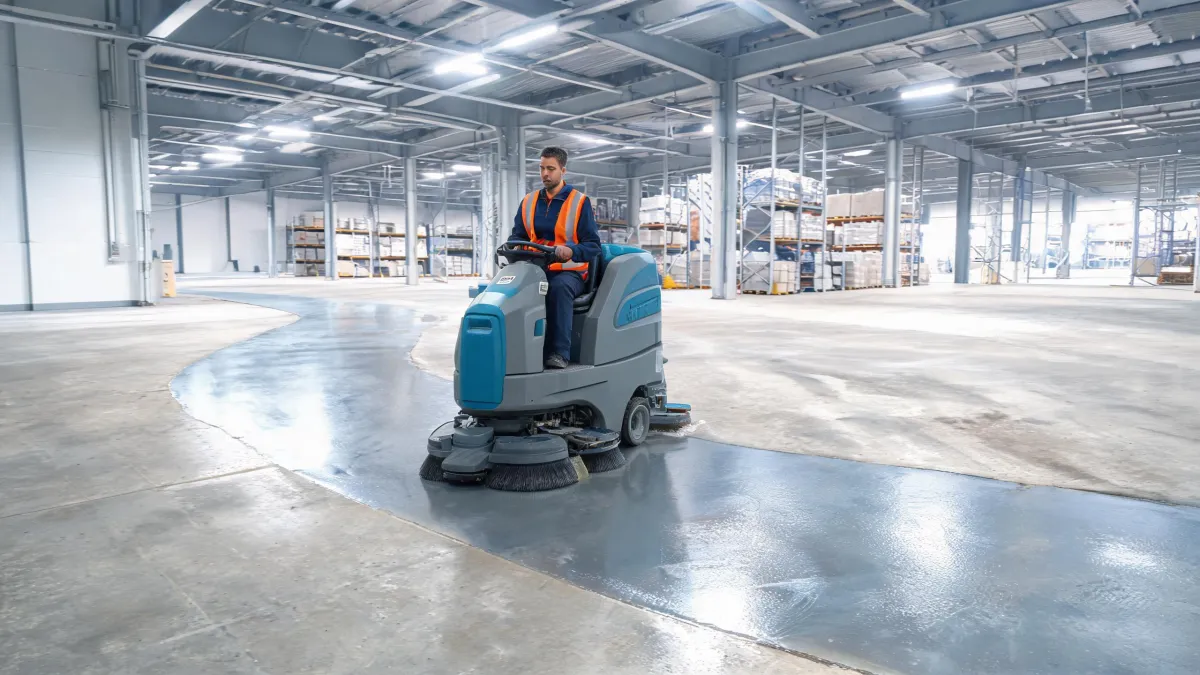
Most buyers focus on horsepower or airflow numbers and completely miss build quality. A cheap floor scrubber might advertise the same 20-inch cleaning path as a Nilfisk t20 ride on floor scrubber, but the real difference shows up on the job:
- Water pressure drops after 30 minutes
- Brush bristles wear unevenly after a few months
- Unexpected shutdowns due to overheating
I once rented a budget ride-on scrubber for a week. It left streaks on day one, had a hose leak on day two, and by day three we were back to manual mopping. The rental cost $400 – and we paid our staff overtime anyway.
Option B – Predictable Performance
Nilfisk equipment (like the t20 ride on floor scrubber) is designed for consistent commercial use. Their floor scrubber sale models come with documented test data: 30,000 square feet per hour, sustained over 4-hour shifts. The pressure washer nilfisk premium manual series delivers 1,500 PSI at 2.0 GPM with less than 5% variance, per their spec sheets.
The 'reliable' choice looked smart when we processed a 50,000-sq-ft warehouse in one shift, zero downtime. The extra cost was about $400/year spread over 7 years of expected life.
Conclusion: For any regular cleaning schedule, Option B eliminates the risk of surprise failures. The consistency alone is worth 20-30% premium.
Dimension 3: Support and Spare Parts
Option A – Abandonment After Purchase
Saved $80 by skipping expedited shipping on a budget canister vacuum. Ended up spending $400 on rush reorder when the standard delivery missed our deadline. Worse, the vendor had no replacement filters in stock – I had to hunt for generic ones that didn't fit properly.
Most budget vendors disappear after the sale. Their 'warranty' often requires shipping the unit back at your cost, and turnaround times are 3-6 weeks. Meanwhile, your facility accumulates dust and grime.
Option B – Real After-Sales Support
Nilfisk has a network of authorized service centers. When I needed a replacement brush for our nilfisk gm 80cr 120v commercial canister vacuum, it arrived in two days. The part cost $18, and the service rep emailed me a video showing how to swap it (note to self: save that video).
Their pricing is transparent too – they publish parts lists with MSRP online. No guesswork.
Conclusion: If your operation can't afford weeks of downtime, Option B is non-negotiable. The support infrastructure alone justifies the higher initial price.
Which Option Should You Choose?
Here's my honest breakdown:
- Choose Option A (budget) if: you need a tool for a one-time project, have in-house repair skills, or the usage is less than 50 hours per year.
- Choose Option B (reliable brand like Nilfisk) if: the equipment runs daily, you have a fixed cleaning schedule, or you want predictable costs without hidden fees.
I've made both choices. The cheap option cost me $3,000 in mistakes over two years. The Nilfisk investments have paid for themselves in uptime and parts availability. Your mileage may vary – but at least now you know the real dimensions to compare.
Pricing references based on publicly listed prices and personal purchase records, January 2025. Actual costs may vary.

Elise Marceau
Elise Marceau is an LED display and digital-signage systems analyst covering LED video walls, modular screens, transparent LED, control processors, and indoor or outdoor signage. She applies IEC 62368-1 safety principles while comparing pixel pitch, luminance, contrast, refresh rate, colour uniformity, viewing angle, ingress protection, power density, module serviceability, and signal redundancy. Her specification guides help integrators, venue operators, retailers, and procurement teams align viewing distance, ambient light, content format, installation access, electrical load, and lifecycle support.